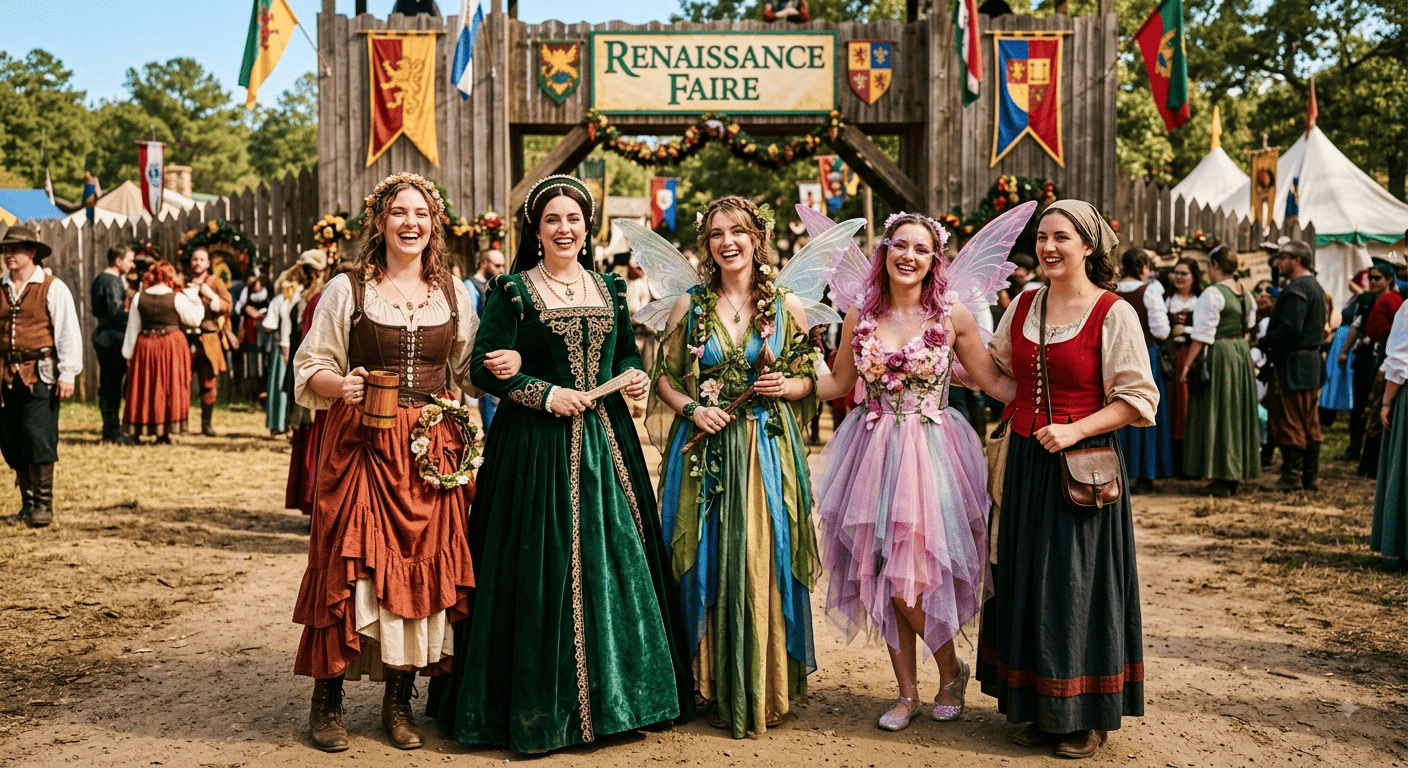
Renaissance faires are one of the few places left where you can spend an entire day wandering through jousting arenas, turkey-leg stands, and mud-show comedy tents while dressed like a tavern wench, a woodland fairy, or a queen holding court. But if you’ve never been to a “ren faire” before, figuring out what to wear can feel more intimidating than the joust itself.
This guide breaks down everything you need to know about choosing, building, and wearing ren faire outfits for women — from historically inspired looks to budget-friendly fantasy costumes — so you can walk in feeling confident, comfortable, and completely in character.
What Exactly Is a “Ren Faire Outfit”?
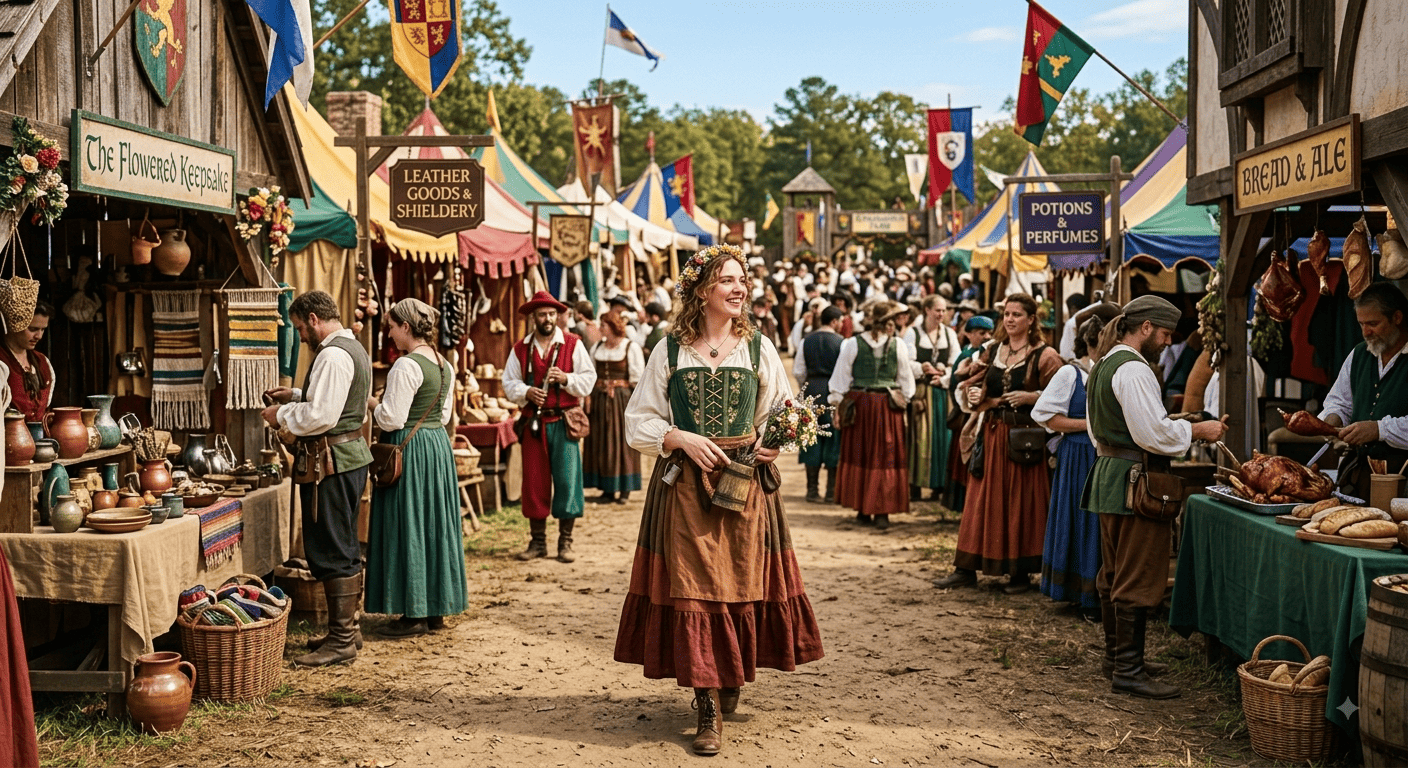
A Renaissance faire outfit is any costume inspired by the clothing of 15th- to 17th-century Europe, blended with a healthy dose of fantasy, cosplay, and personal flair. Unlike a strict historical reenactment, most modern faires welcome a wide spectrum of looks — from museum-accurate garb to full fairycore fantasy ensembles with wings and glitter.
The core building blocks of almost every women’s ren faire look are the same:
- A chemise or blouse as a base layer
- A bodice or corset worn over the top
- A full skirt (sometimes layered with a petticoat or underskirt)
- Accessories like belts, pouches, flower crowns, and jewelry
From there, you can lean historical, fantastical, or somewhere delightfully in between.
Popular Styles of Ren Faire Outfits for Women
1. The Tavern Wench
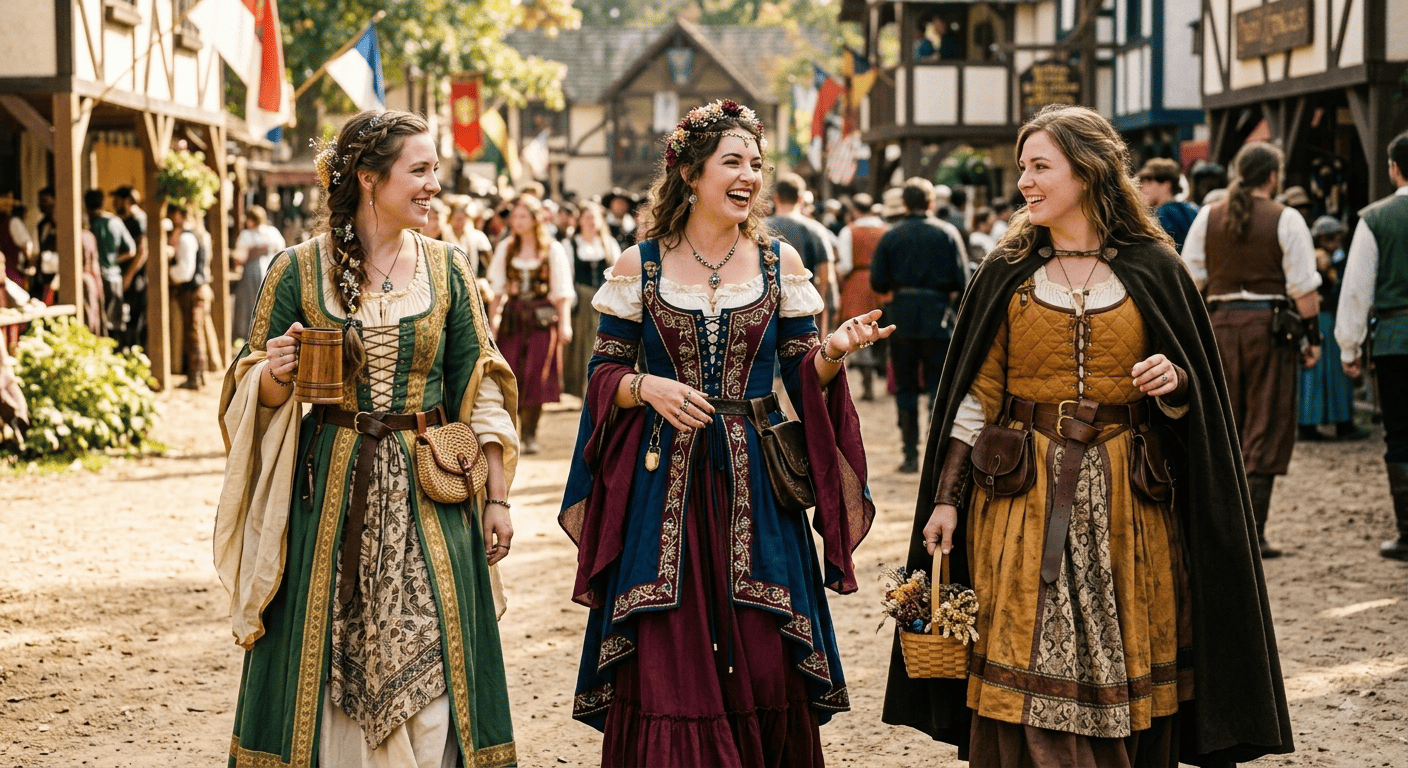
The tavern wench look is one of the most iconic — and most comfortable — ren faire outfits. It typically includes a peasant-style chemise with billowy sleeves, a lace-up bodice, a full skirt, and an apron. It’s practical, breathable, and built for a day of walking, dancing, and mingling.
This style is a favorite for first-timers because it’s forgiving on body type, easy to layer, and simple to accessorize with a basket, a coin pouch, or a tankard prop.

2. Renaissance Royalty
If you’d rather be a queen than a wench, the royalty look is all about rich fabrics, structured bodices, and dramatic silhouettes. Think velvet gowns, brocade overskirts, jeweled headpieces, and long trailing sleeves.
This style tends to be heavier and warmer, so it’s best suited for cooler-weather faires or for those who don’t mind the extra layers in exchange for looking like they stepped out of a royal court portrait.
3. Fairycore and Fantasy
Fairycore outfits have exploded in popularity at ren faires over the past few years, blending medieval silhouettes with whimsical, nature-inspired details — think leaf-trimmed bodices, iridescent wings, vine crowns, and flowing, ethereal fabrics in greens and golds.
This category also includes elven, witchy, and woodland-creature-inspired looks, which give you more creative freedom than historically accurate garb.
4. Pirate and Wanderer
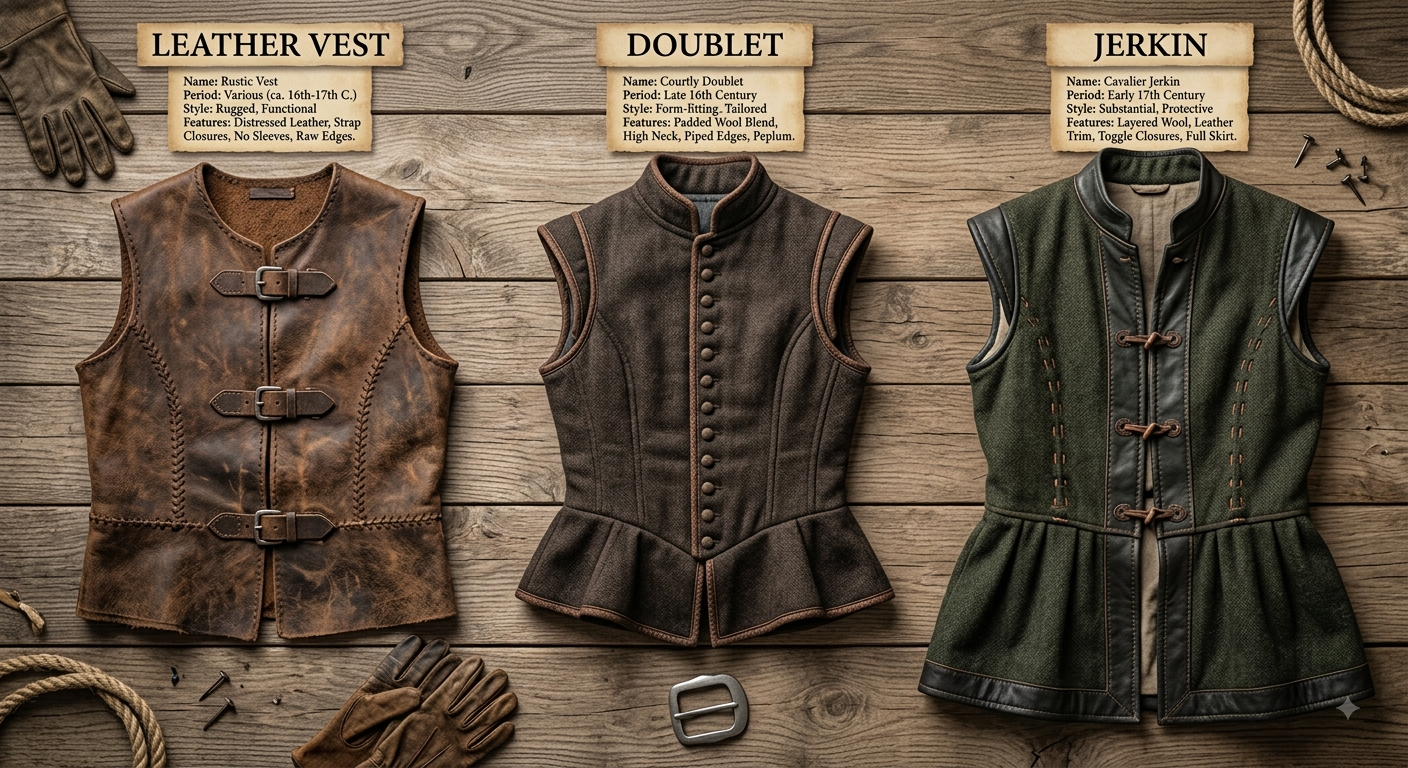
For a more rugged, adventurous take, pirate-inspired outfits combine a loose blouse, a fitted vest or corset, breeches or a skirt, tall boots, and a tricorn hat. This look works especially well for faires with pirate-themed weekends and offers a comfortable, easy-to-move-in alternative to more structured gowns.
5. Modest and Simple Ren Faire Looks
Not every outfit needs a corset. A simple long skirt, a peasant blouse, and a sash or belt can create an authentic, comfortable look without heavy layering — ideal for hot weather, first-time faire-goers, or anyone who prefers a more understated aesthetic.
How to Choose the Right Ren Faire Outfit
Consider the Weather
Most Renaissance faires run in the spring, summer, or fall, often in open fields with little shade. Breathable natural fabrics like cotton and linen are far more comfortable than polyester or heavy velvet on a hot day. If your faire runs into cooler months, layering with a cloak, vest, or overdress will keep you warm without sacrificing style.
Prioritize Comfort and Mobility
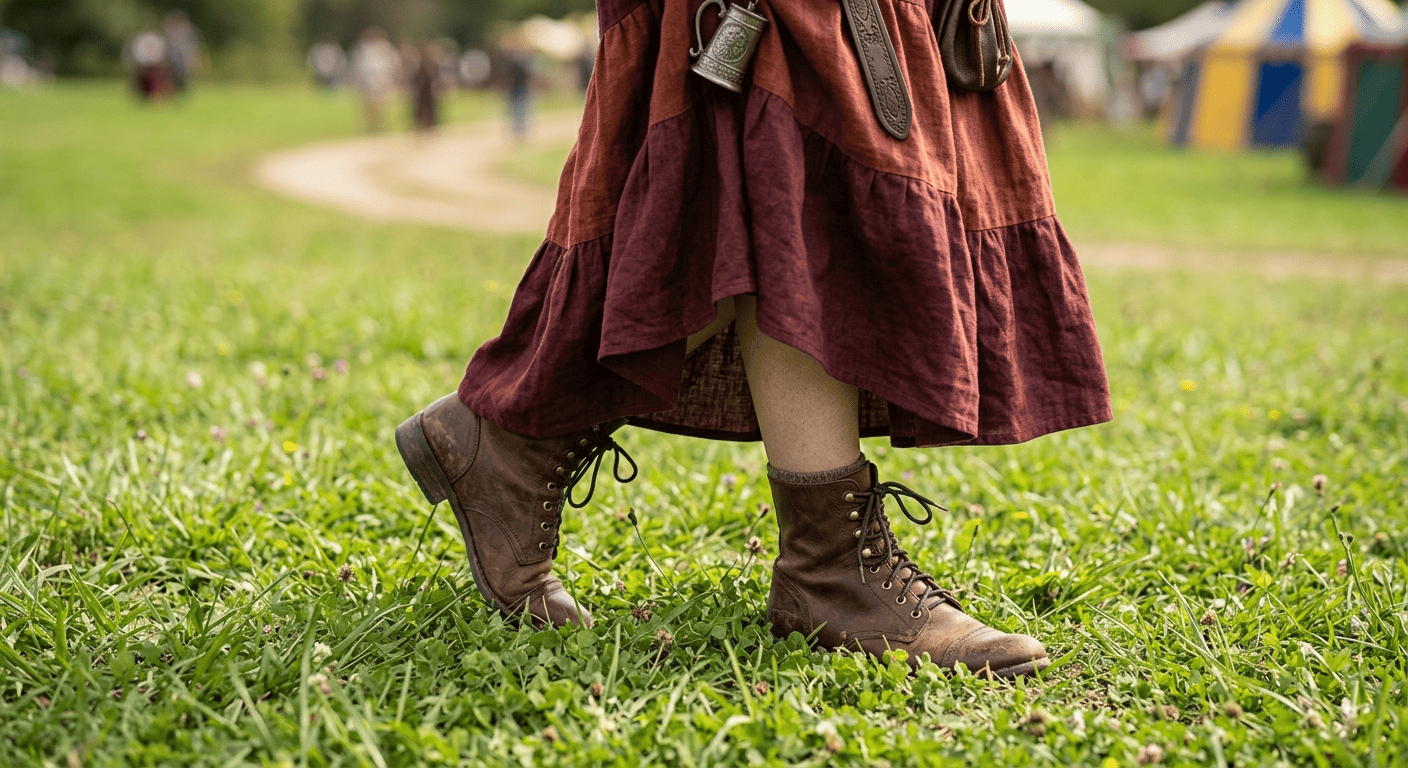
A day at the faire usually involves several miles of walking, standing through shows, and possibly dancing. Choose a bodice that laces comfortably (not painfully tight), a skirt length that won’t trip you on uneven ground, and shoes you can actually walk in for hours — ankle boots or flat sandals are far better choices than heels.
Set a Budget
Ren faire outfits can range from a $40 DIY skirt-and-blouse combo to a $500+ custom-made gown. If you’re new to faires, it’s smart to start with an affordable, versatile base outfit — a chemise, bodice, and skirt — and build up your wardrobe with accessories and statement pieces over time.
Think About Character
Many faire-goers choose an outfit that reflects a specific “character” they enjoy playing for the day — whether that’s a merchant, a noblewoman, a fairy, or a rogue. Having a character in mind can make shopping easier, since it narrows down colors, silhouettes, and accessories that fit the vibe.
Building a Ren Faire Outfit on a Budget
You don’t need to spend a fortune to put together a great look. Here’s a simple, budget-conscious formula:
- Start with a basic chemise or peasant blouse — often the cheapest and most reusable piece.
- Add a lace-up bodice or corset in a solid color that pairs with multiple skirts.
- Choose a full or A-line skirt in a natural fiber like cotton or linen.
- Layer in accessories — a belt, pouch, flower crown, or shawl — to elevate the look without major cost.
- Repurpose what you already own. A long peasant-style skirt, a fitted vest, or even a maxi dress can often be styled into a convincing faire outfit with the right accessories.
Accessories That Complete the Look
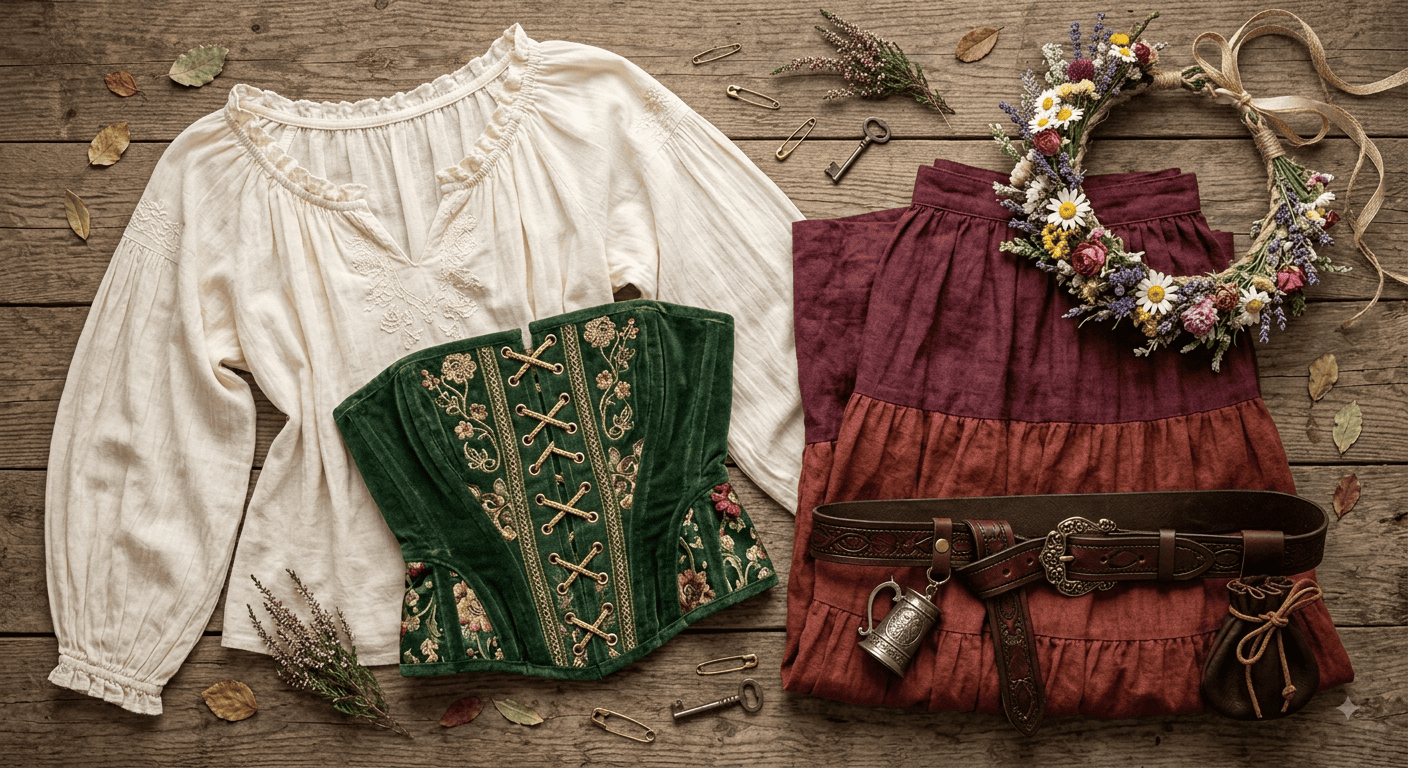
The right accessories can transform a simple skirt-and-blouse combo into a full character costume. Popular options include:
- Flower crowns or leather circlets
- Leather pouches and belts, both decorative and functional for carrying cash and phones
- Cloaks and shawls for cooler evenings
- Statement jewelry, like layered necklaces or cuff bracelets
- Fans, parasols, or baskets as props that add personality to your look
Where to Shop for Ren Faire Outfits
You have three main options when it comes to sourcing your outfit:
- Specialty retailers and Etsy shops, which offer handmade or made-to-order corsets, chemises, and gowns in a wide range of sizes and price points.
- Costume and cosplay stores, which often carry pre-made bodices, skirts, and full costume sets ready to wear out of the box.
- DIY and thrifted pieces, which are the most budget-friendly route — a peasant blouse, a broomstick skirt, and a corset belt from a thrift store can be combined into a surprisingly convincing outfit.
Final Thoughts
There’s no single “correct” way to dress for a Renaissance faire — the best outfit is one that makes you feel comfortable, confident, and excited to spend the day in character. Whether you gravitate toward the practical charm of a tavern wench, the drama of a royal gown, or the whimsy of a fairycore ensemble, the key ingredients are the same: a good bodice, a swishy skirt, comfortable shoes, and accessories that make the look your own.
Start simple, have fun with accessories, and don’t be afraid to mix historical inspiration with a little fantasy flair — that’s what ren faire fashion is all about.